For a modern small or medium-sized enterprise, a website should not be treated simply as an online brochure.
A high-performing SME website should function as:
- a business communication platform;
- a sales and lead-generation system;
- a customer-education platform;
- a trust-building mechanism;
- an e-commerce storefront where appropriate;
- a search-engine acquisition channel;
- a customer-service resource;
- a source of business intelligence;
- and a continuously improving digital business asset.
The central proposition of this paper is:
Website effectiveness is created by integrating business strategy, customer understanding, content, user experience, technology, conversion architecture, security, commerce and continuous operations.
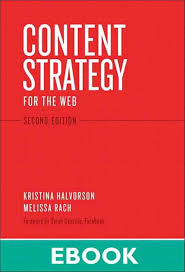
This paper adapts the principles of Kristina Halvorson and Melissa Rach's Content Strategy for the Web to an SME-oriented website and e-commerce lifecycle. Their framework emphasizes reality,
CONTENT-DRIVEN WEBSITE AND E-COMMERCE STRATEGY FOR SMEs-A Research and Implementation Framework for Website Design, Content Strategy, CMS, E-Commerce, Lead Generation and Continuous Digital Operations
Strategic Roles of IAS-Research.com, KeenComputer.com and KeenDirect.com
Version 3.0 — October 2026
Executive Summary
For a modern small or medium-sized enterprise, a website should not be treated simply as an online brochure.
A high-performing SME website should function as:
- a business communication platform;
- a sales and lead-generation system;
- a customer-education platform;
- a trust-building mechanism;
- an e-commerce storefront where appropriate;
- a search-engine acquisition channel;
- a customer-service resource;
- a source of business intelligence;
- and a continuously improving digital business asset.
The central proposition of this paper is:
Website effectiveness is created by integrating business strategy, customer understanding, content, user experience, technology, conversion architecture, security, commerce and continuous operations.
This paper adapts the principles of Kristina Halvorson and Melissa Rach's Content Strategy for the Web to an SME-oriented website and e-commerce lifecycle. Their framework emphasizes reality, discovery, alignment, audit, analysis, core strategy, content, people/workflow/governance, persuasion and advocacy. (Pearson)
The paper extends that content-strategy foundation into an integrated:
Research → Strategy → Content → Design → Engineering → Commerce → Launch → Operations → Analytics → Optimization → Innovation
model.
Within this model:
IAS-Research.com
Acts as the Research, Strategy and Innovation Layer.
Primary responsibilities:
- business and market research;
- competitive intelligence;
- customer and persona research;
- opportunity analysis;
- content strategy;
- digital transformation strategy;
- technology evaluation;
- AI/RAG/LLM strategy;
- architecture research;
- business-model analysis;
- KPI and measurement strategy;
- innovation and continuous-improvement programs.
KeenComputer.com
Acts as the Design, Engineering, Implementation, Security and Operations Layer.
Primary responsibilities:
- website architecture;
- UX/UI implementation;
- CMS implementation;
- WordPress/Joomla/Magento/WooCommerce/OpenCart engineering;
- hosting and VPS;
- Linux infrastructure;
- Nginx/PHP/database architecture;
- DevOps and CI/CD;
- cybersecurity;
- WAF;
- backup and disaster recovery;
- performance optimization;
- SEO technical implementation;
- analytics integration;
- monitoring;
- maintenance;
- managed operations.
KeenDirect.com
Acts as the Commerce, Product, Merchandising and Supply-Chain Layer.
Primary responsibilities:
- product strategy;
- product information;
- catalog architecture;
- product data;
- pricing;
- merchandising;
- inventory;
- supplier integration;
- fulfillment;
- e-commerce operations;
- product recommendations;
- cross-selling and upselling;
- customer commerce intelligence;
- hardware/component commerce.
The three organizations therefore form an integrated digital-business lifecycle:
IAS-Research discovers and defines the opportunity → KeenComputer designs and builds the digital platform → KeenDirect operationalizes commerce and products → all three measure, improve and innovate continuously.
1. Introduction
1.1 The SME Digital Problem
Many SME websites fail not because the organization lacks technical capability, but because the website is approached primarily as a design or development project.
Typical failure patterns include:
- attractive website with weak messaging;
- large amount of content with poor organization;
- unclear value proposition;
- generic service descriptions;
- weak calls to action;
- poor mobile experience;
- slow pages;
- inadequate SEO;
- confusing navigation;
- weak product information;
- difficult checkout;
- lack of trust signals;
- outdated content;
- poor analytics;
- inadequate security;
- no governance model;
- no post-launch optimization.
The result is a website that exists but does not consistently produce business outcomes.
2. Research Proposition
This paper proposes:
An SME website should be designed as a business system rather than as a collection of webpages.
The website must connect:
Business Strategy
↓
Customer Needs
↓
Content Strategy
↓
Information Architecture
↓
UX / UI
↓
Technology
↓
Conversion
↓
Commerce
↓
Analytics
↓
Operations
↓
Continuous Improvement
The strategic objective is therefore not simply:
"Build a website."
It is:
Build, operate and continuously improve a digital business platform that converts attention into trust, leads, transactions and long-term customer relationships.
3. Content Strategy Foundation
3.1 Kristina Halvorson and Melissa Rach
Halvorson and Rach's Content Strategy for the Web provides the primary content-strategy foundation for this framework.
The second edition organizes its approach around:
Reality
Understand the existing problem.
Discovery
- alignment;
- audit;
- analysis.
Strategy
- core strategy;
- content;
- people/workflow/governance.
Success
- persuasion;
- advocacy.
This is particularly useful for SMEs because it prevents organizations from jumping directly from:
"We need a new website."
to:
"Let's choose a theme."
without first determining:
- why the website is needed;
- who it serves;
- what content is required;
- what customers need;
- how the organization will maintain the content;
- how success will be measured.
The published table of contents confirms this sequence from Reality through Discovery, Strategy and Success. (Pearson)
4. The IAS–KeenComputer–KeenDirect Strategic Model
The framework extends Halvorson's content strategy approach into a three-company operating model.
|
Business Layer |
IAS-Research |
KeenComputer |
KeenDirect |
|---|---|---|---|
|
Business research |
Lead |
Support |
Support |
|
Market research |
Lead |
Support |
Lead for commerce |
|
Customer research |
Lead |
Support |
Lead for buyers |
|
Competitive analysis |
Lead |
Support |
Lead for products |
|
Content strategy |
Lead |
Implement |
Commerce content |
|
Information architecture |
Lead |
Lead implementation |
Product/catalog input |
|
UX strategy |
Lead |
Lead implementation |
Commerce input |
|
Visual design |
Strategy/review |
Lead |
Input |
|
CMS |
Architecture/research |
Lead |
Support |
|
E-commerce |
Strategy |
Engineering |
Lead operations |
|
Product catalog |
Research |
Technical implementation |
Lead |
|
Pricing |
Strategy |
Technical implementation |
Lead |
|
Inventory |
Strategy |
Integration |
Lead |
|
SEO |
Strategy |
Technical implementation |
Content/product input |
|
Security |
Research/advisory |
Lead implementation |
Operational compliance |
|
Hosting |
Architecture |
Lead |
Consumer |
|
DevOps |
Strategy |
Lead |
Consumer |
|
Analytics |
KPI strategy |
Technical implementation |
Commerce analytics |
|
CRO |
Lead strategy |
Technical implementation |
Commerce experimentation |
|
AI/RAG |
Lead research |
Implementation |
Commerce applications |
|
Operations |
Governance |
Managed operations |
Commerce operations |
|
Continuous improvement |
Lead |
Implement |
Commercial feedback |
This creates clear accountability without creating organizational silos.
5. Strategic Lifecycle
The complete lifecycle is:
Phase 1 — Discover
Business and market understanding.
Phase 2 — Research
Customers, competitors, technologies and opportunities.
Phase 3 — Audit
Existing website, content, SEO, security, performance and conversion.
Phase 4 — Position
Define value proposition and differentiation.
Phase 5 — Strategize
Develop content, customer journey and conversion strategy.
Phase 6 — Architect
Develop information architecture, technical architecture and commerce architecture.
Phase 7 — Design
Create wireframes, content structures, UX and visual systems.
Phase 8 — Build
Implement CMS, e-commerce, integrations and infrastructure.
Phase 9 — Launch
Perform QA, security, performance, SEO, accessibility and conversion testing.
Phase 10 — Operate
Monitor, maintain, secure and update the platform.
Phase 11 — Optimize
Use analytics, customer feedback and experimentation.
Phase 12 — Innovate
Introduce new products, services, content, AI and digital capabilities.
6. Complete Website Design Flow
The recommended design flow is:
BUSINESS OBJECTIVES ↓ CUSTOMER RESEARCH ↓ COMPETITIVE ANALYSIS ↓ CONTENT AUDIT ↓ PERSONAS / JTBD ↓ CUSTOMER JOURNEY ↓ VALUE PROPOSITION ↓ CONTENT STRATEGY ↓ INFORMATION ARCHITECTURE ↓ CONVERSION ARCHITECTURE ↓ WIREFRAMES ↓ CONTENT PRODUCTION ↓ UX/UI DESIGN ↓ CMS / E-COMMERCE ARCHITECTURE ↓ ENGINEERING ↓ SEO / PERFORMANCE / SECURITY ↓ ACCESSIBILITY / QA ↓ LAUNCH ↓ ANALYTICS ↓ CRO ↓ OPERATIONS ↓ CONTINUOUS IMPROVEMENT
7. Phase 1 — Business Discovery
The project begins with business questions.
Questions
- What does the company sell?
- Who buys?
- Why do customers buy?
- What problem does the company solve?
- What differentiates it?
- What markets does it serve?
- What geographic markets matter?
- What are the highest-margin services/products?
- What is the customer acquisition model?
- What is the sales process?
- What role should the website play?
- What should happen after a visitor arrives?
IAS-Research Role
IAS-Research conducts:
- business discovery;
- market analysis;
- strategic interviews;
- competitor research;
- opportunity identification;
- technology assessment;
- business-model analysis.
KeenComputer Role
KeenComputer translates business requirements into:
- technical requirements;
- website architecture;
- CMS requirements;
- integration requirements;
- infrastructure requirements.
KeenDirect Role
For commerce projects, KeenDirect identifies:
- products;
- product categories;
- suppliers;
- inventory;
- pricing;
- fulfillment;
- customer segments;
- commerce workflows.
8. Phase 2 — Customer Research
A website must be designed around customer problems rather than organizational departments.
Research should identify:
- customer demographics;
- customer roles;
- business problems;
- buying triggers;
- objections;
- information requirements;
- search behavior;
- purchase criteria;
- trust requirements;
- decision process.
Useful methodologies include:
- personas;
- Jobs-to-be-Done;
- customer interviews;
- customer journey mapping;
- surveys;
- search-intent analysis;
- competitor analysis;
- website analytics.
Strategic Ownership
IAS-Research: research and interpretation.
KeenComputer: translate findings into UX and technical requirements.
KeenDirect: translate findings into product discovery, merchandising and purchasing experiences.
9. Phase 3 — Competitive Analysis
Competitive research should examine:
Business
- positioning;
- pricing;
- services;
- differentiation.
Website
- messaging;
- navigation;
- UX;
- content;
- calls to action.
SEO
- keywords;
- content gaps;
- landing pages;
- backlinks;
- search visibility.
E-commerce
- product presentation;
- filters;
- comparison;
- checkout;
- delivery;
- returns;
- reviews.
Technology
- CMS;
- commerce platform;
- performance;
- mobile experience;
- security.
The objective is not to copy competitors.
It is to identify:
Where can the SME create a better customer experience or a differentiated market position?
10. Phase 4 — Content Audit
Every existing website should be audited before redevelopment.
Audit:
- pages;
- blog articles;
- service descriptions;
- product descriptions;
- images;
- videos;
- downloads;
- PDFs;
- metadata;
- internal links;
- URLs;
- redirects;
- outdated information.
Each content item can be classified:
|
Status |
Action |
|---|---|
|
High value |
Keep/improve |
|
Outdated |
Rewrite |
|
Duplicate |
Consolidate |
|
Low value |
Remove |
|
Missing |
Create |
|
Strategic |
Promote |
|
Regulatory |
Review |
This is directly aligned with the audit and analysis orientation of Halvorson's content strategy framework. (Pearson)
11. Phase 5 — Value Proposition
The homepage should answer rapidly:
- Who are you?
- Who do you serve?
- What problem do you solve?
- What outcome do customers receive?
- Why should they trust you?
- What should they do next?
A practical structure is:
We help [customer] solve [problem] through [solution], producing [outcome].
The value proposition should be visible without requiring the visitor to navigate through several pages.
12. Phase 6 — Content Strategy
Content should be organized around customer intent.
Core content categories
1. Problem content
"What problem do you solve?"
2. Educational content
"Help me understand the problem."
3. Solution content
"How can you solve it?"
4. Proof content
"Why should I trust you?"
5. Commercial content
"How can I buy?"
6. Support content
"How do I use or maintain it?"
7. Advocacy content
"Why should I recommend you?"
13. Content Architecture
A typical SME service structure:
Home │ ├── Solutions │ ├── Service A │ ├── Service B │ └── Service C │ ├── Industries │ ├── Industry A │ ├── Industry B │ └── Industry C │ ├── Resources │ ├── Guides │ ├── Articles │ ├── Case Studies │ └── Research │ ├── About │ ├── Success Stories │ └── Contact / Request Assessment
For e-commerce:
Home │ ├── Categories │ ├── Category A │ ├── Category B │ └── Category C │ ├── Products ├── Deals ├── Brands ├── Buying Guides ├── Support ├── Account └── Cart / Checkout
14. Conversion Architecture
Every important page should have a purpose.
Examples:
Informational page
CTA:
Download the Guide
Service page
CTA:
Request an Assessment
Product page
CTA:
Add to Cart
High-consideration service
CTA:
Book a Consultation
Technical article
CTA:
Discuss Your Project
Research paper
CTA:
Request Strategic Consultation
15. Lead Generation Architecture
The website should create multiple conversion levels.
Level 1 — Low commitment
- read article;
- watch video;
- download guide;
- subscribe.
Level 2 — Medium commitment
- request checklist;
- request audit;
- download report;
- attend webinar.
Level 3 — High commitment
- consultation;
- quotation;
- demo;
- assessment;
- purchase.
This allows visitors to progress through the buying journey rather than forcing every visitor into a sales call immediately.
16. Website Design Method
The recommended methodology combines:
- Content Strategy;
- Design Thinking;
- Jobs-to-be-Done;
- Customer Journey Mapping;
- Information Architecture;
- User Story Mapping;
- Lean UX;
- conversion architecture;
- SEO content architecture;
- Agile development;
- DevSecOps;
- continuous improvement.
17. Wireframing
Wireframes should be developed before visual decoration.
A wireframe should answer:
- What does the visitor need?
- What information comes first?
- What action should occur?
- Where is proof?
- Where are objections addressed?
- Where is the CTA?
Example service-page wireframe
-------------------------------- VALUE PROPOSITION -------------------------------- CUSTOMER PROBLEM -------------------------------- SOLUTION -------------------------------- BENEFITS -------------------------------- HOW IT WORKS -------------------------------- TECHNOLOGY / CAPABILITIES -------------------------------- CASE STUDY / PROOF -------------------------------- FAQ -------------------------------- CTA --------------------------------
18. Visual Design
Only after content structure and wireframes are validated should the project move into detailed visual design.
Design should establish:
- typography;
- spacing;
- color system;
- buttons;
- forms;
- cards;
- navigation;
- responsive behavior;
- icons;
- imagery;
- component system.
The objective is not visual novelty.
The objective is:
Clarity + Trust + Usability + Conversion.
19. Accessibility
Accessibility must be included in design and development rather than treated as a final inspection.
WCAG 2.2 provides a current W3C recommendation and organizes accessibility around four principles:
- Perceivable;
- Operable;
- Understandable;
- Robust. (W3C)
KeenComputer should incorporate accessibility into:
- templates;
- navigation;
- forms;
- typography;
- color contrast;
- keyboard navigation;
- images;
- multimedia;
- checkout;
- error handling.
IAS-Research can establish accessibility requirements and governance, while KeenComputer implements and tests them.
20. CMS Architecture
The CMS should be selected based on business requirements rather than fashion.
Potential platforms include:
- WordPress;
- Joomla;
- Magento Open Source;
- WooCommerce;
- OpenCart;
- headless CMS;
- API-first architectures;
- custom platforms where justified.
CMS selection criteria
- business complexity;
- content volume;
- product volume;
- editorial workflow;
- integrations;
- performance;
- security;
- scalability;
- maintenance;
- cost;
- developer availability.
21. CMS Content Modeling
Content should be modeled as reusable structured information.
For example:
Service ├── Name ├── Problem ├── Description ├── Benefits ├── Features ├── Industries ├── FAQs ├── Case Studies ├── Related Resources └── CTA
This allows the same information to appear across:
- website pages;
- landing pages;
- search;
- mobile interfaces;
- APIs;
- AI assistants;
- marketing systems.
22. E-Commerce Architecture
An e-commerce system must connect:
CUSTOMER ↓ DISCOVERY ↓ SEARCH ↓ CATEGORY ↓ PRODUCT ↓ COMPARISON ↓ CART ↓ CHECKOUT ↓ PAYMENT ↓ FULFILLMENT ↓ CUSTOMER SERVICE ↓ REPEAT PURCHASE
Nielsen Norman Group's e-commerce research covers product discovery, navigation, comparison, product pages, search/filtering, checkout, customer service, trust and selling strategies. (Nielsen Norman Group)
23. Product Page Strategy
An effective product page should answer:
- What is it?
- Who is it for?
- Why do I need it?
- What problem does it solve?
- What are its specifications?
- What does it cost?
- Is it available?
- When can I receive it?
- What are the shipping costs?
- What is the return policy?
- Is it trustworthy?
- What alternatives exist?
NN/G research emphasizes adequate product information, availability, price, purchase controls, comparisons and reviews. (Nielsen Norman Group)
24. Trust Architecture
Trust is essential for both lead generation and e-commerce.
Trust elements include:
- company identity;
- physical location where appropriate;
- contact information;
- credentials;
- customer testimonials;
- case studies;
- reviews;
- policies;
- guarantees;
- secure payment;
- privacy information;
- support;
- transparent pricing.
NN/G specifically identifies trust, product information, pricing, company information, security, policies and customer support as important elements of e-commerce credibility. (Nielsen Norman Group)
25. KeenDirect.com Strategic Commerce Role
KeenDirect should not merely be considered an online store.
It can become the commerce operating layer of the three-company ecosystem.
Responsibilities
Product Strategy
- identify products;
- evaluate demand;
- identify product gaps.
Catalog
- SKU management;
- product attributes;
- specifications;
- images;
- documentation.
Merchandising
- categories;
- bundles;
- related products;
- recommendations;
- promotions.
Pricing
- competitive pricing;
- margin analysis;
- promotional pricing.
Inventory
- stock management;
- reorder signals;
- supplier information.
Fulfillment
- shipping;
- tracking;
- returns;
- customer service.
Commerce Intelligence
- best sellers;
- abandoned carts;
- conversion;
- customer segments;
- repeat purchase.
26. KeenComputer.com Strategic Implementation Role
KeenComputer becomes the engineering and operational execution engine.
Design
- UX implementation;
- UI development;
- responsive design;
- design systems.
CMS
- WordPress;
- Joomla;
- WooCommerce;
- Magento;
- OpenCart.
Infrastructure
- VPS;
- Linux;
- Nginx;
- PHP;
- MariaDB/MySQL;
- Redis;
- Varnish;
- OpenSearch.
DevOps
- Git;
- Docker;
- CI/CD;
- Warden where applicable;
- development/test/production environments.
Security
- WAF;
- malware protection;
- vulnerability management;
- backups;
- monitoring;
- access control;
- hardening.
Performance
- caching;
- CDN;
- image optimization;
- database optimization;
- Core Web Vitals;
- application optimization.
Operations
- monitoring;
- updates;
- backup verification;
- incident response;
- maintenance;
- disaster recovery.
27. IAS-Research.com Strategic Role
IAS-Research functions as the intellectual, strategic and innovation engine.
Research
- industry research;
- market research;
- technology research;
- competitor analysis;
- customer research.
Strategy
- digital transformation;
- content strategy;
- business model;
- opportunity analysis;
- technology roadmap.
Innovation
- AI;
- RAG-LLM;
- knowledge systems;
- recommendation systems;
- intelligent search;
- automation.
Advisory
- architecture;
- technology selection;
- investment priorities;
- roadmap;
- KPI strategy.
Research Outputs
IAS-Research can create:
- white papers;
- technical reports;
- market studies;
- case studies;
- buying guides;
- architecture papers;
- implementation frameworks.
These assets can then become lead-generation content for KeenComputer and commercial content for KeenDirect.
28. The Three-Organization Content Flywheel
The strongest strategic opportunity is to create a shared content and business flywheel.
IAS-RESEARCH Research ↓ Insights ↓ White Papers ↓ KeenComputer Technical Solutions ↓ Case Studies ↓ KeenDirect Products / Commerce ↓ Customer Data ↓ Analytics ↓ IAS-Research New Research ↓ New Content ↓ New Solutions
This creates a continuously improving ecosystem.
29. Research-to-Revenue Pipeline
A research paper can become:
Research Paper ↓ Executive Summary ↓ Blog Article ↓ LinkedIn Content ↓ SEO Landing Page ↓ Lead Magnet ↓ Assessment ↓ Consultation ↓ Project ↓ Case Study ↓ New Research
This turns intellectual property into a business-development engine.
30. SEO Strategy
SEO should be integrated into content strategy.
Keyword structure
Primary Topic ↓ Pillar Page ↓ Supporting Articles ↓ Service Page ↓ Case Study ↓ FAQ ↓ Conversion Page
For example:
SME cybersecurity
could generate:
- SME cybersecurity guide;
- ransomware protection;
- website security;
- VPS security;
- Joomla security;
- WordPress security;
- Magento security;
- WAF;
- backup strategy;
- security audit.
31. Performance Strategy
Website effectiveness requires:
- optimized images;
- caching;
- efficient CSS/JS;
- database optimization;
- CDN where appropriate;
- server optimization;
- lazy loading;
- efficient third-party scripts.
Performance should be measured continuously rather than only before launch.
32. Security Strategy
Security should be part of architecture.
Minimum SME controls
- HTTPS;
- secure authentication;
- MFA where appropriate;
- least privilege;
- WAF;
- backups;
- malware detection;
- vulnerability management;
- software updates;
- logging;
- monitoring;
- disaster recovery.
For e-commerce:
- secure payment integration;
- protection of customer information;
- access control;
- transaction monitoring;
- secure integrations.
33. Analytics Architecture
A website should produce measurable business intelligence.
Basic funnel
VISITOR ↓ LANDING PAGE ↓ ENGAGEMENT ↓ CTA ↓ LEAD ↓ QUALIFICATION ↓ OPPORTUNITY ↓ CUSTOMER ↓ REPEAT CUSTOMER
For e-commerce:
VISITOR ↓ PRODUCT VIEW ↓ ADD TO CART ↓ CHECKOUT ↓ PURCHASE ↓ REPEAT PURCHASE
34. Website Effectiveness Scorecard
A practical 100-point scorecard:
|
Area |
Weight |
|---|---|
|
Business strategy |
10 |
|
Customer understanding |
10 |
|
Content |
15 |
|
UX/navigation |
10 |
|
Conversion |
15 |
|
SEO |
10 |
|
Performance |
10 |
|
Security |
10 |
|
Accessibility |
5 |
|
Analytics/governance |
5 |
|
Total |
100 |
Interpretation:
90–100
Strategically mature.
75–89
Strong but with optimization opportunities.
60–74
Significant improvement required.
Below 60
Website redevelopment or major transformation recommended.
35. E-Commerce Effectiveness Scorecard
|
Area |
Weight |
|---|---|
|
Product discovery |
10 |
|
Navigation |
10 |
|
Product information |
15 |
|
Search/filtering |
10 |
|
Trust |
10 |
|
Cart |
10 |
|
Checkout |
15 |
|
Performance |
5 |
|
Security |
10 |
|
Analytics |
5 |
|
Total |
100 |
36. Website Effectiveness Audit
The three organizations can offer a combined:
SME Website Effectiveness & Digital Growth Audit
Assessment Areas
- Business strategy
- Customer experience
- Content
- Information architecture
- UX
- Conversion
- SEO
- Performance
- Accessibility
- Security
- CMS
- E-commerce
- Analytics
- Governance
- Digital transformation opportunity
Deliverables
- executive assessment;
- website score;
- content audit;
- UX assessment;
- SEO assessment;
- security assessment;
- performance assessment;
- conversion analysis;
- e-commerce analysis;
- technology assessment;
- prioritized recommendations;
- 90-day action plan.
37. The 12-Step SME Website Method
The complete method can be summarized as:
1. DISCOVER
Understand the business.
Lead: IAS-Research
2. RESEARCH
Understand customers and competitors.
Lead: IAS-Research
3. AUDIT
Evaluate existing website and content.
Lead: IAS-Research + KeenComputer
4. POSITION
Define value proposition.
Lead: IAS-Research
5. STRATEGIZE
Develop content and conversion strategy.
Lead: IAS-Research
6. MAP
Develop information architecture and customer journeys.
Lead: IAS-Research + KeenComputer
7. CONVERT
Design lead-generation and commerce pathways.
Lead: IAS-Research + KeenDirect
8. WIREFRAME
Create structural page designs.
Lead: KeenComputer
9. DESIGN
Implement UX/UI and design system.
Lead: KeenComputer
10. BUILD
Develop CMS, e-commerce and integrations.
Lead: KeenComputer + KeenDirect
11. OPTIMIZE
SEO, performance, security, accessibility and CRO.
Lead: KeenComputer + IAS-Research
12. OPERATE
Monitor, measure, improve and innovate.
Lead: KeenComputer + KeenDirect + IAS-Research
38. Governance Model
The organizations should operate through a shared governance model.
IAS-RESEARCH Strategy / Innovation │ ┌─────────┴─────────┐ ↓ ↓ KEENCOMPUTER KEENDIRECT Technology Commerce Engineering Products Security Inventory Operations Merchandising └─────────┬─────────┘ ↓ CUSTOMER DATA ↓ ANALYTICS ↓ IAS-RESEARCH
39. RACI-Style Ownership
|
Activity |
IAS-R |
KeenComputer |
KeenDirect |
|---|---|---|---|
|
Business strategy |
A/R |
C |
C |
|
Customer research |
A/R |
C |
R |
|
Content strategy |
A/R |
C |
C |
|
UX strategy |
A/R |
R |
C |
|
Visual design |
C |
A/R |
C |
|
CMS |
C |
A/R |
C |
|
E-commerce platform |
C |
A/R |
R |
|
Product catalog |
C |
C |
A/R |
|
Security |
C |
A/R |
C |
|
Hosting |
C |
A/R |
C |
|
Analytics |
A/R |
R |
R |
|
CRO |
A/R |
R |
R |
|
Product merchandising |
C |
C |
A/R |
|
Operations |
C |
A/R |
A/R |
|
Innovation |
A/R |
R |
R |
A = Accountable
R = Responsible
C = Consulted
40. 30/60/90-Day Implementation Plan
First 30 Days — Discover and Architect
IAS-Research
- business discovery;
- customer research;
- competitive research;
- content audit;
- opportunity analysis;
- strategic positioning.
KeenComputer
- technical audit;
- CMS assessment;
- security assessment;
- infrastructure assessment;
- performance assessment.
KeenDirect
- product/catalog audit;
- pricing review;
- inventory assessment;
- fulfillment review.
Deliverable
Digital Growth Blueprint
41. Days 31–60 — Design and Build
IAS-Research
- content strategy;
- SEO strategy;
- conversion strategy;
- KPI framework.
KeenComputer
- information architecture;
- wireframes;
- UI;
- CMS;
- integrations;
- security;
- performance.
KeenDirect
- product catalog;
- product descriptions;
- merchandising;
- pricing;
- commerce workflows.
Deliverable
Production-Ready Digital Platform
42. Days 61–90 — Launch and Optimize
Activities
- QA;
- accessibility;
- security testing;
- SEO;
- performance testing;
- analytics;
- conversion tracking;
- product testing;
- checkout testing;
- launch.
Post-launch
- monitor;
- analyze;
- fix;
- optimize;
- experiment.
Deliverable
90-Day Growth Optimization Program
43. Continuous Operations
A website is never truly finished.
The operating lifecycle is:
BUILD ↓ LAUNCH ↓ MONITOR ↓ MEASURE ↓ ANALYZE ↓ IMPROVE ↓ TEST ↓ LEARN ↓ INNOVATE ↓ REPEAT
KeenComputer provides the operational technology layer.
KeenDirect provides commerce intelligence and operational feedback.
IAS-Research converts the evidence into strategic improvement and innovation.
44. Growth Optimization
Optimization should focus on measurable bottlenecks.
Examples:
High traffic / low conversion
Investigate:
- value proposition;
- trust;
- CTA;
- page clarity;
- offer;
- UX.
High product views / low add-to-cart
Investigate:
- price;
- product information;
- availability;
- reviews;
- shipping;
- CTA.
High cart abandonment
Investigate:
- shipping cost;
- checkout complexity;
- payment options;
- trust;
- unexpected fees.
High leads / low sales
Investigate:
- lead quality;
- qualification;
- sales process;
- offer;
- follow-up.
45. AI and Intelligent Website Opportunities
The IAS-Research layer can introduce AI capabilities such as:
- AI search;
- RAG knowledge assistants;
- product recommendations;
- intelligent FAQs;
- content recommendations;
- customer support;
- semantic product search;
- automated content classification;
- lead qualification;
- customer segmentation;
- knowledge-base assistants.
KeenComputer can implement the technical infrastructure.
KeenDirect can provide product/catalog/commerce knowledge.
IAS-Research can develop the research architecture, evaluation framework and innovation roadmap.
46. SME Use Case 1 — Professional Services
Example:
A consulting or engineering SME needs more qualified leads.
IAS-Research
- customer research;
- positioning;
- content strategy;
- industry research.
KeenComputer
- WordPress/Joomla implementation;
- landing pages;
- forms;
- CRM integration;
- analytics;
- SEO.
KeenDirect
Potentially provides commercial products, reports, training or digital services.
Result
Research → authority → content → lead → consultation → project.
47. SME Use Case 2 — Local Service Business
Example:
A clinic, contractor, accountant or professional service firm.
Strategy
- local SEO;
- service pages;
- geographic landing pages;
- trust;
- reviews;
- lead forms;
- appointment/request workflows.
CTA
Request a Consultation
or
Get a Free/Fixed-Price Assessment
48. SME Use Case 3 — Computer and Electronics Commerce
This represents a natural KeenDirect opportunity.
IAS-Research
Research:
- market trends;
- customer segments;
- technology;
- competitive products.
KeenComputer
Build:
- Magento/WooCommerce/OpenCart;
- product search;
- filters;
- payment;
- shipping;
- security;
- analytics.
KeenDirect
Operate:
- products;
- suppliers;
- inventory;
- pricing;
- merchandising;
- fulfillment.
49. SME Use Case 4 — Technical Knowledge Commerce
IAS-Research produces:
- technical papers;
- architecture guides;
- engineering reports;
- training material.
KeenComputer creates:
- membership;
- content delivery;
- digital commerce;
- CRM integration.
KeenDirect can commercialize:
- books;
- hardware;
- software;
- training;
- technical packages.
50. SME Use Case 5 — Digital Transformation
A traditional SME wants to modernize.
Stage 1
Website modernization.
Stage 2
CRM integration.
Stage 3
E-commerce.
Stage 4
Analytics.
Stage 5
Automation.
Stage 6
AI/RAG.
Stage 7
Digital operating model.
The website becomes the front door to the company's digital transformation.
51. Content Governance
A successful website requires ownership.
Every important content object should have:
- owner;
- audience;
- business objective;
- update frequency;
- approval process;
- SEO target;
- CTA;
- measurement criteria.
Example:
|
Content |
Owner |
Frequency |
|---|---|---|
|
Homepage |
Marketing/Strategy |
Quarterly |
|
Service pages |
Business |
Quarterly |
|
Product data |
KeenDirect |
Continuous |
|
Technical articles |
IAS-Research |
Monthly |
|
Security pages |
KeenComputer |
Quarterly |
|
Case studies |
All |
Per project |
|
FAQs |
Customer/service team |
Monthly |
52. Metrics
Business KPIs
- qualified leads;
- revenue;
- customer acquisition cost;
- conversion rate;
- average order value;
- repeat purchase;
- customer lifetime value.
Website KPIs
- organic traffic;
- engagement;
- landing-page conversion;
- CTA clicks;
- form completion;
- bounce/engagement behavior;
- page performance.
E-commerce KPIs
- product views;
- add-to-cart;
- checkout initiation;
- purchase conversion;
- abandoned carts;
- average order value;
- repeat purchase.
Operational KPIs
- uptime;
- security incidents;
- backup success;
- patch status;
- response time;
- page speed;
- error rate.
53. Strategic Competitive Advantage
The combined model creates a capability that many traditional web agencies do not provide.
A conventional agency may provide:
Design → Development → Launch
The IAS/KeenComputer/KeenDirect model provides:
Research → Strategy → Content → Design → Engineering → Commerce → Security → Operations → Analytics → Optimization → Innovation
This is a substantially broader digital transformation proposition.
54. Strategic Positioning
IAS-Research
Position
Research, Strategy & Innovation Partner
Promise:
Turn technology and market research into actionable business strategy.
KeenComputer
Position
Digital Engineering & IT Implementation Partner
Promise:
Turn strategy into secure, high-performing digital platforms.
KeenDirect
Position
Commerce, Product & Digital Operations Partner
Promise:
Turn digital platforms into measurable commerce and operational growth.
55. Integrated Value Proposition
The three organizations can present a unified proposition:
Research it. Design it. Build it. Secure it. Sell through it. Operate it. Improve it.
Or:
From digital strategy to operational commerce — one integrated SME technology ecosystem.
56. Recommended SME Service Packages
Package 1 — Website Effectiveness Audit
For SMEs with an existing website.
Includes:
- strategy;
- content;
- UX;
- SEO;
- performance;
- security;
- conversion;
- analytics.
Package 2 — Website Modernization
For organizations with outdated websites.
Includes:
- strategy;
- content restructuring;
- UX;
- CMS migration;
- SEO;
- security;
- performance.
Package 3 — Lead-Machine Website
For service businesses.
Includes:
- positioning;
- StoryBrand-style messaging;
- service pages;
- local SEO;
- lead capture;
- CRM;
- analytics;
- security.
Package 4 — SME E-Commerce Transformation
Includes:
- product strategy;
- catalog;
- e-commerce platform;
- product UX;
- payment;
- shipping;
- inventory;
- SEO;
- security;
- analytics.
Package 5 — Digital Transformation Program
Includes:
- research;
- strategy;
- website;
- CMS;
- CRM;
- e-commerce;
- automation;
- analytics;
- AI;
- cybersecurity;
- continuous operations.
57. Recommended Technology Stack
Depending on requirements:
CMS
- WordPress
- Joomla
- headless CMS
E-commerce
- WooCommerce
- Magento Open Source
- OpenCart
Infrastructure
- Linux
- Ubuntu
- Nginx
- PHP
- MariaDB/MySQL
- Redis
- Varnish
DevOps
- Git
- Docker
- CI/CD
- Warden where appropriate
Security
- WAF
- vulnerability monitoring
- backups
- logging
- malware detection
AI
- RAG;
- LLM;
- vector databases;
- knowledge graphs;
- AI assistants;
- recommendation engines.
Technology selection should remain subordinate to business requirements.
58. Research and Innovation Roadmap
IAS-Research can maintain a technology watch covering:
- AI agents;
- RAG;
- LLMs;
- MCP;
- semantic search;
- knowledge graphs;
- AI commerce;
- cybersecurity;
- CMS evolution;
- composable commerce;
- digital identity;
- analytics;
- automation.
KeenComputer evaluates implementation readiness.
KeenDirect evaluates commercial value.
This creates an:
Innovation → Experiment → Productize → Deploy → Measure
cycle.
59. Strategic Operating Model
The mature organization becomes:
MARKET ↓ IAS-RESEARCH Research / Strategy / Innovation ↓ CONTENT / IP ↓ KEENCOMPUTER Design / Engineering / Security ↓ DIGITAL PLATFORM ↓ KEENDIRECT Commerce / Products / Operations ↓ CUSTOMERS ↓ DATA ↓ ANALYTICS ↓ IAS-RESEARCH ↓ INNOVATION
60. Final Strategic Framework
The complete framework can be summarized as:
DISCOVER
Understand the business.
RESEARCH
Understand customers and markets.
AUDIT
Understand the current digital estate.
STRATEGIZE
Define business and content strategy.
ARCHITECT
Design information, technology and commerce architecture.
DESIGN
Create customer-centered experiences.
BUILD
Implement the digital platform.
SECURE
Protect the platform and customer.
LAUNCH
Validate the complete experience.
OPERATE
Keep the system reliable.
MEASURE
Collect business and customer data.
OPTIMIZE
Improve conversion and experience.
INNOVATE
Create new digital opportunities.
61. The Strategic Role of the Three Organizations
The final model is:
IAS-Research.com
THINK
Research
Strategy
Architecture
Innovation
Advisory
Knowledge
↓
KeenComputer.com
BUILD
Design
Engineering
CMS
Infrastructure
Security
DevOps
Operations
↓
KeenDirect.com
SELL & OPERATE COMMERCE
Products
Catalog
Pricing
Inventory
Merchandising
Fulfillment
Customer Commerce
↓
CUSTOMER
Experience
Lead
Purchase
Support
Loyalty
↓
DATA
Analytics
Feedback
Behavior
Performance
↓
IAS-Research
LEARN & INNOVATE
62. Conclusion
The modern SME website should no longer be considered a static marketing asset.
It should be treated as a digital business operating platform.
The most effective approach combines:
- business strategy;
- customer research;
- content strategy;
- information architecture;
- UX;
- visual design;
- CMS;
- e-commerce;
- SEO;
- accessibility;
- cybersecurity;
- performance;
- analytics;
- CRM;
- lead generation;
- commerce;
- DevOps;
- continuous optimization;
- innovation.
Kristina Halvorson's content-strategy principles provide a strong foundation because they place content, people, governance and business alignment at the center rather than treating content as something added after design. (Pearson)
For e-commerce, usability research reinforces the importance of product information, navigation, search, filtering, checkout, trust, customer service and long-term customer relationships. (Nielsen Norman Group)
Accessibility should likewise be incorporated throughout the lifecycle, with WCAG 2.2 providing a current standards framework. (W3C)
The resulting strategic model is:
IAS-Research researches and defines the opportunity.
KeenComputer designs, engineers, secures and operates the digital platform.
KeenDirect converts the platform into a product and commerce engine.
Customer data and operational experience feed back into IAS-Research for continuous innovation.
The result is not simply a website.
It is a research-driven, content-driven, technology-enabled and commerce-enabled digital growth system for SMEs.
63. Primary Call to Action
GET YOUR SME WEBSITE EFFECTIVENESS ASSESSMENT
Find out what is preventing your website from generating more leads, sales and customer value.
The assessment can evaluate:
- Strategy
- Content
- UX
- SEO
- Lead generation
- E-commerce
- Performance
- Security
- Accessibility
- CMS
- Analytics
- Digital transformation opportunities
Secondary CTA
DISCUSS YOUR DIGITAL GROWTH STRATEGY
E-Commerce CTA
GET AN E-COMMERCE EFFECTIVENESS ASSESSMENT
64. References and Research Sources
- Halvorson, K., & Rach, M. (2012). Content Strategy for the Web, 2nd Edition. New Riders. The publisher describes the book as a framework for transforming content into a valuable business asset and organizes it around Reality, Discovery, Strategy and Success. (Pearson)
- Nielsen Norman Group. Ecommerce User Experience Research Reports. The research series covers homepages, navigation, product comparisons, product pages, search, filters, checkout, customer service, selling strategies and trust. (Nielsen Norman Group)
- Nielsen Norman Group. Ecommerce UX: Product Pages. Research covering product discovery, product information, comparison, availability, purchase controls and reviews. (Nielsen Norman Group)
- Nielsen Norman Group. Ecommerce UX: Trust and Credibility. Research covering trust, company information, product information, pricing, security, policies, customer support and credibility. (Nielsen Norman Group)
- Nielsen Norman Group. Ecommerce UX: Selling Strategies. Research on customer-oriented selling strategies and long-term relationships. (Nielsen Norman Group)
- World Wide Web Consortium (W3C). Web Content Accessibility Guidelines (WCAG) 2.2. W3C Recommendation and accessibility framework. (W3C)
- W3C Web Accessibility Initiative. WCAG 2 Overview. Accessibility principles, guidelines and success criteria. (W3C)
- Nielsen Norman Group. Ecommerce UX: Customer Service. Research covering customer-service information, self-service and support experiences. (Nielsen Norman Group)
- Nielsen Norman Group. Ecommerce UX: International Purchasers. Research addressing international commerce, localization, currency, shipping, taxes, payment and customer support. (Nielsen Norman Group)
65. Final Strategic Statement
IAS-Research + KeenComputer + KeenDirect
RESEARCH → STRATEGIZE → DESIGN → BUILD → SECURE → SELL → OPERATE → MEASURE → OPTIMIZE → INNOVATE
This integrated model provides SMEs with a practical pathway from:
business idea
to
digital presence
to
lead generation
to
e-commerce
to
digital operations
to
continuous business growth.
This version makes the three-company operating model explicit throughout the complete lifecycle, rather than treating IAS-Research, KeenComputer and KeenDirect as separate organizations mentioned only in one section. It also keeps Halvorson's content-strategy framework as the foundation while extending it into engineering, commerce, security and continuous operations. (Pearson)
If you want, the next logical enhancement is to turn this into a 35–50 page professional IAS-Research white paper with architecture diagrams, RACI matrices, SME use-case tables, website/e-commerce maturity models, an Opportunity Canvas, KPIs, and a detailed implementation checklist.