Digital content has become a strategic business asset.
For an SME, a website is no longer simply an online brochure. It can simultaneously function as:
- a marketing channel,
- search-engine discovery platform,
- knowledge base,
- lead-generation system,
- ecommerce storefront,
- customer education platform,
- sales-enablement system,
- CRM entry point,
- customer-service resource,
- analytics platform,
- and business-development engine.
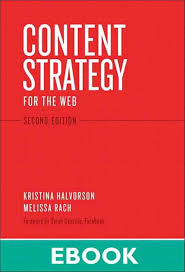
This white paper develops a B2B content-growth framework based on the principles associated with Kristina Halvorson and Melissa Rach's Content Strategy for the Web, and extends those principles into contemporary SME digital transformation.
The book's framework emphasizes areas including organizational alignment, content auditing, analysis, core strategy, content substance and structure, people, workflow, governance, persuasion and advocacy. (Experience League)
For an SME, these concepts can be transformed into a practical growth architecture:
Strategy → Content → Website → SEO → Lead Generation → CRM → Sales → Ecommerce/Services → Customer → Advocacy → Data → Optimization → Growth
Content Strategy as a Growth Engine
B2B Marketing, Growth Hacking, WordPress, Joomla, Magento Ecommerce and SME Business Development
Strategic Integration of Content Strategy, Digital Marketing, Ecommerce, Sales Enablement, Technology and Growth Hacking
Executive Summary
Digital content has become a strategic business asset.
For an SME, a website is no longer simply an online brochure. It can simultaneously function as:
- a marketing channel,
- search-engine discovery platform,
- knowledge base,
- lead-generation system,
- ecommerce storefront,
- customer education platform,
- sales-enablement system,
- CRM entry point,
- customer-service resource,
- analytics platform,
- and business-development engine.
This white paper develops a B2B content-growth framework based on the principles associated with Kristina Halvorson and Melissa Rach's Content Strategy for the Web, and extends those principles into contemporary SME digital transformation.
The book's framework emphasizes areas including organizational alignment, content auditing, analysis, core strategy, content substance and structure, people, workflow, governance, persuasion and advocacy. (Experience League)
For an SME, these concepts can be transformed into a practical growth architecture:
Strategy → Content → Website → SEO → Lead Generation → CRM → Sales → Ecommerce/Services → Customer → Advocacy → Data → Optimization → Growth
This paper adds three important dimensions:
- Website and ecommerce technology
- WordPress + WooCommerce
- Joomla + ecommerce extensions
- Magento Open Source / Adobe Commerce
- Strategic organizational roles
- IAS-Research.com — research, strategy, architecture and innovation
- KeenComputer.com — implementation, software engineering, websites, IT, cybersecurity and digital transformation
- KeenDirect.com — ecommerce, product commerce, computer hardware/components and operational commercialization
- SME growth execution
- content strategy,
- SEO,
- lead generation,
- marketing automation,
- CRM,
- ecommerce,
- sales enablement,
- technology modernization,
- analytics,
- experimentation.
The resulting model is not simply a content-marketing program.
It is a Content-Led SME Growth System.
1. Introduction
SMEs frequently face a structural problem.
They have expertise, products and services, but that expertise is often fragmented across:
- employees,
- websites,
- documents,
- product catalogs,
- sales presentations,
- emails,
- technical manuals,
- customer conversations,
- CRM records,
- social media,
- and individual employee knowledge.
Consequently, an SME may have considerable expertise but limited digital discoverability.
Content strategy provides the mechanism for transforming organizational expertise into reusable business assets.
The transformation is:
Expertise → Knowledge → Content → Digital Asset → Audience → Lead → Customer → Business Growth
2. Why Content Matters in Digital Marketing
Content provides the bridge between customer problems and commercial solutions.
A prospective customer may begin with:
"How do I solve this problem?"
They may then ask:
"What technologies are available?"
Then:
"Which solution is appropriate?"
Then:
"Who can implement it?"
And finally:
"What will it cost?"
A B2B content strategy should provide answers to each question.
Therefore:
Content should follow the customer's decision process rather than the company's internal organizational structure.
3. Content Strategy According to Halvorson and Rach
Kristina Halvorson and Melissa Rach's Content Strategy for the Web provides a useful foundation for this approach.
The publisher's framework covers:
- Reality,
- Discovery,
- Strategy,
- Success,
with supporting areas including:
- alignment,
- content audit,
- analysis,
- core strategy,
- content substance,
- content structure,
- workflow,
- governance,
- persuasion,
- advocacy. (Experience League)
For SMEs, this can be translated into:
|
Content Strategy |
SME Application |
|---|---|
|
Reality |
Understand current website, content and sales position |
|
Discovery |
Understand customers and competitors |
|
Strategy |
Define business and content objectives |
|
Content |
Create useful information |
|
Governance |
Establish ownership and workflow |
|
Persuasion |
Convert attention into action |
|
Advocacy |
Turn customers into references |
|
Success |
Measure business outcomes |
4. The SME Content-Growth Model
The recommended architecture is:
BUSINESS STRATEGY | ↓ MARKET RESEARCH | ↓ CUSTOMER PROBLEMS | ↓ CONTENT STRATEGY | +------------------+------------------+ | | | SEO SOCIAL EMAIL | | | +------------------+------------------+ | ↓ WEBSITE / ECOMMERCE | ↓ LEAD CAPTURE | ↓ CRM | ↓ SALES PROCESS | +----------+----------+ | | SERVICES PRODUCTS | | PROJECT ECOMMERCE | | +----------+----------+ | ↓ CUSTOMER | ↓ CASE STUDY / REVIEW | ↓ ADVOCACY | ↓ GROWTH
5. Website Technology as Part of Content Strategy
Content strategy cannot be separated from the technology that delivers content.
The platform affects:
- publishing,
- SEO,
- ecommerce,
- performance,
- security,
- integrations,
- analytics,
- CRM,
- conversion,
- scalability.
Three particularly relevant SME technology paths are:
- WordPress + WooCommerce
- Joomla + ecommerce extensions
- Magento Open Source / Adobe Commerce
They should not be treated as interchangeable.
The platform should be selected according to:
- business model,
- complexity,
- catalog size,
- content requirements,
- ecommerce requirements,
- integrations,
- internal capabilities,
- budget,
- security requirements,
- growth expectations.
6. WordPress and WooCommerce for SMEs
WordPress is particularly useful when an SME's growth model is strongly content-driven.
Typical applications include:
- corporate websites,
- professional services,
- local businesses,
- consultants,
- clinics,
- accounting firms,
- legal firms,
- trades,
- agencies,
- educational organizations,
- publishers,
- membership businesses.
WooCommerce provides an open-source ecommerce platform for WordPress and supports physical and digital products, product variations, subscriptions, bookings, memberships and integrations. (WordPress.org)
6.1 Strategic Content Model
WordPress | +-- Pages +-- Blog +-- Research +-- Case Studies +-- Landing Pages +-- SEO +-- Lead Magnets | ↓ WooCommerce | +-- Products +-- Categories +-- Cart +-- Checkout +-- Payments +-- Shipping +-- Customer Accounts | ↓ CRM / Email / Analytics
This makes WordPress/WooCommerce particularly useful for an SME that needs content + lead generation + ecommerce in one ecosystem.
7. WordPress Growth-Hacking Strategy
A WordPress SME website can use a content-to-commerce model.
Example:
Search article
"How to Choose a Business Laptop"
↓
Comparison guide
"Business Laptop Buying Guide for Canadian SMEs"
↓
Product category
"Business Laptops"
↓
Product page
Specific laptop
↓
Ecommerce conversion
"Buy Now"
↓
CRM/customer database
↓
Cross-sell
Docking station + monitor + warranty + accessories
This creates:
Content → Search → Product Discovery → Ecommerce → Cross-Sell
8. Joomla for SMEs
Joomla can be particularly useful when an SME requires a structured content-management environment with extensibility, multilingual capabilities, complex content organization or specialized extensions.
Joomla's extension ecosystem includes components, plugins, modules, templates and libraries. (Joomla Documentation)
The official Joomla Extensions Directory currently includes ecommerce categories covering payment gateways, ecommerce integrations, shopping carts, memberships, billing/invoicing and other commerce capabilities. (Joomla! Extensions Directory™)
Examples of Joomla ecommerce extensions include J2Commerce, HikaShop and other solutions listed in the Joomla Extensions Directory. (Joomla! Extensions Directory™)
9. Joomla Content-Growth Architecture
A Joomla SME strategy can combine:
Joomla | +-- Corporate Content +-- Articles +-- Categories +-- Knowledge Base +-- Multilingual Content +-- SEO | +-- Ecommerce Extension | +-- Products +-- Categories +-- Shopping Cart +-- Payments +-- Shipping +-- Customer Accounts | +-- CRM +-- Analytics +-- Marketing Automation
Joomla therefore provides an alternative for SMEs where structured content management and extensibility are important.
10. Joomla Security and Governance
Content strategy must also include technology governance.
Joomla extensions are software and can introduce security risks if they are obsolete, vulnerable or poorly maintained. Joomla's documentation explicitly provides guidance concerning vulnerable extensions. (Joomla Documentation)
Therefore the Joomla content strategy should include:
- core updates,
- extension inventory,
- extension lifecycle management,
- backups,
- WAF,
- access control,
- administrator MFA where appropriate,
- malware monitoring,
- logging,
- vulnerability management.
This illustrates an important principle:
Content strategy without technology governance can create business risk.
11. Magento Open Source and Adobe Commerce
Magento Open Source is appropriate when ecommerce becomes a major part of the organization's business architecture.
Adobe describes Adobe Commerce as supporting B2B and B2C commerce, API-first integrations, customizable extensions, marketing, merchandising and fulfillment capabilities. (Experience League)
Magento Open Source provides the underlying open-source commerce code base, while Adobe Commerce extends that platform with additional commercial capabilities. (Experience League)
Magento's architecture includes technologies such as:
- Composer,
- PHP,
- MySQL/MariaDB,
- Redis/Valkey-related caching/session infrastructure,
- search,
- GraphQL,
- APIs,
- asynchronous processing,
- extensibility.
Adobe's current documentation continues to document ongoing quality, performance and security improvements in Magento Open Source. (Experience League)
12. Magento Content Strategy
Magento should not be viewed simply as a shopping cart.
Its storefront is part of the customer's path to purchase, incorporating content and functional components used during shopping and purchasing. (Experience League)
The content architecture can therefore become:
Research ↓ SEO Content ↓ Category ↓ Product Discovery ↓ Product Page ↓ Comparison ↓ Cart ↓ Checkout ↓ Order ↓ Customer
For a technical ecommerce business, this can be expanded into:
Educational Content ↓ Buying Guide ↓ Category Page ↓ Product Comparison ↓ Product Page ↓ Technical Documentation ↓ Purchase ↓ Installation / Support ↓ Repeat Purchase
Adobe documentation also identifies catalog management, navigation and URL structures as important elements of the Magento commerce environment. (Experience League)
13. WordPress vs Joomla vs Magento
The objective is not to declare one platform universally superior.
The platforms serve different business requirements.
|
Requirement |
WordPress + WooCommerce |
Joomla + Ecommerce |
Magento Open Source / Adobe Commerce |
|---|---|---|---|
|
Content marketing |
Strong |
Strong |
Strong |
|
Corporate website |
Strong |
Strong |
Possible |
|
Blogging |
Strong |
Strong |
Possible |
|
Small ecommerce |
Strong |
Strong |
Possible |
|
Complex catalog |
Moderate/Strong |
Moderate/Strong |
Strong |
|
B2B commerce |
Extensions/integrations |
Extensions/integrations |
Stronger fit for complex needs |
|
Product complexity |
Moderate |
Moderate |
High |
|
Custom engineering |
Strong |
Strong |
Very strong |
|
Large ecommerce operation |
Possible |
Possible |
Strong |
|
Technical complexity |
Moderate |
Moderate |
High |
|
SME entry cost |
Usually lower |
Usually lower/moderate |
Usually higher |
|
Content + commerce |
Strong |
Strong |
Strong |
|
Advanced ecommerce architecture |
Moderate |
Moderate |
Strong |
The correct decision depends on the SME's business requirements.
14. The Strategic Role of IAS-Research.com
IAS-Research.com can serve as the research, strategy, innovation and architecture layer.
Its role can include:
Strategic Research
- market research,
- industry research,
- technology research,
- competitive analysis,
- digital transformation research,
- AI/RAG research,
- ecommerce research.
Architecture
- solution architecture,
- enterprise architecture,
- software architecture,
- data architecture,
- AI architecture,
- ecommerce architecture,
- cybersecurity architecture.
Innovation
- proof-of-concept development,
- emerging technology evaluation,
- AI/RAG,
- automation,
- engineering research,
- technical feasibility studies.
Business Development
- opportunity identification,
- SME maturity assessment,
- technology roadmaps,
- funding strategy,
- strategic white papers.
IAS-Research can therefore answer:
"What should the SME build, why should it build it, and how should the solution be architected?"
15. The Strategic Role of KeenComputer.com
KeenComputer.com can serve as the implementation and operational technology layer.
Its role can include:
Website Engineering
- WordPress,
- WooCommerce,
- Joomla,
- ecommerce websites,
- SEO implementation,
- performance optimization.
Software Engineering
- custom applications,
- APIs,
- integrations,
- CRM integration,
- automation,
- AI integration.
IT Infrastructure
- Linux,
- VPS,
- cloud,
- networking,
- monitoring,
- backup,
- security.
Cybersecurity
- WAF,
- vulnerability management,
- malware protection,
- security monitoring,
- backup,
- hardening,
- email/DNS security.
Ecommerce
- Magento,
- WooCommerce,
- Joomla ecommerce,
- payment integration,
- shipping,
- inventory,
- product catalog,
- performance optimization.
KeenComputer can therefore answer:
"How do we build, secure, deploy, integrate and operate the solution?"
16. The Strategic Role of KeenDirect.com
KeenDirect.com can serve as the commerce, product, hardware and operational commercialization layer.
Potential functions include:
- computer hardware,
- components,
- ecommerce,
- product catalog,
- supplier relationships,
- product sourcing,
- accessories,
- ecommerce fulfillment,
- product recommendations,
- technology bundles.
This creates a strategic relationship:
IAS-Research | Research / Strategy / Architecture | ↓ KeenComputer | Engineering / Implementation / IT | ↓ KeenDirect | Products / Ecommerce / Hardware / Commerce
Together, the three organizations can provide a path from:
Research → Architecture → Implementation → Commerce
17. Three-Company SME Growth Architecture
SME BUSINESS | ↓ Business Problem | ↓ IAS-Research.com Strategy / Research / AI | ↓ Solution Architecture | ↓ KeenComputer.com Software / IT / Website / Security | ↓ Digital Platform | +-----------+-----------+ | | Website Ecommerce | | WordPress/Joomla Magento/WooCommerce | | +-----------+-----------+ | ↓ KeenDirect.com Products / Commerce / Supply | ↓ Customers | ↓ Revenue
18. Content Strategy Across the Three Organizations
Content can reinforce all three business functions.
IAS-Research Content
Focus:
- research,
- strategy,
- technology,
- architecture,
- industry trends,
- AI,
- engineering,
- digital transformation.
KeenComputer Content
Focus:
- implementation,
- IT,
- websites,
- ecommerce,
- cybersecurity,
- cloud,
- software engineering,
- DevOps.
KeenDirect Content
Focus:
- products,
- hardware,
- components,
- buying guides,
- comparisons,
- product education,
- ecommerce.
The three content streams can cross-link.
19. Example: SME Ecommerce Growth Campaign
Suppose an SME wants to modernize its ecommerce operation.
IAS-Research
Creates:
"SME Ecommerce Modernization Research Report"
Then:
"WooCommerce vs Joomla Ecommerce vs Magento: SME Architecture Considerations"
Then:
"Ecommerce Technology Maturity Assessment"
KeenComputer
Creates:
"Ecommerce Security Audit"
"Website Performance Assessment"
"Magento/WooCommerce Technical Review"
"SEO and Conversion Audit"
KeenDirect
Creates:
Product buying guides
Product comparisons
Technical specifications
Accessories
Bundles
The customer journey becomes:
Research → Education → Assessment → Implementation → Product Purchase
20. Content-to-Commerce Strategy
A particularly powerful model for KeenDirect is:
Educational Article ↓ Buying Guide ↓ Comparison ↓ Category ↓ Product ↓ Cart ↓ Checkout ↓ Cross-Sell ↓ Repeat Purchase
For example:
"How Much RAM Does a Business Laptop Need?"
↓
"Business Laptop Buying Guide"
↓
"16GB vs 32GB RAM"
↓
Business Laptop Category
↓
Product
↓
Purchase
↓
RAM / Dock / Monitor / Storage
This converts content into a commerce acquisition channel.
21. Growth Hacking Framework for the Three Organizations
The growth process can be structured as:
Step 1 — Identify Problem
IAS-Research investigates the market.
Step 2 — Develop Insight
Create research and educational content.
Step 3 — Publish
Distribute through:
- website,
- SEO,
- LinkedIn,
- email,
- webinars,
- industry channels.
Step 4 — Capture Lead
Use:
- assessment,
- checklist,
- consultation,
- audit,
- calculator,
- report.
Step 5 — Qualify
CRM captures:
- company,
- industry,
- problem,
- technology,
- budget,
- buying stage.
Step 6 — Implement
KeenComputer delivers technical solutions.
Step 7 — Commercialize
KeenDirect provides products, components or ecommerce services where applicable.
Step 8 — Capture Evidence
Develop:
- case study,
- customer testimonial,
- implementation report.
Step 9 — Repurpose
Turn the customer evidence into new content.
Step 10 — Repeat
This creates a growth loop.
22. SME Content Taxonomy
A recommended taxonomy is:
Business
Strategy
Growth
Digital-Transformation
Cost-Reduction
Productivity
Business-Development
Marketing
SEO
Content-Marketing
Lead-Generation
Demand-Generation
Conversion
Email-Marketing
Social-Media
Sales
Sales-Enablement
Prospecting
Lead-Qualification
CRM
Proposal
Case-Study
Technology
WordPress
WooCommerce
Joomla
Magento
Adobe-Commerce
Cloud
DevOps
AI
RAG
Cybersecurity
Ecommerce
Product
Catalog
Inventory
Payment
Shipping
Checkout
Conversion
Marketplace
Audience
CEO
Founder
CTO
CIO
IT-Manager
Marketing-Manager
Operations
Procurement
Engineer
23. Growth-Hacking Content Tags
Additional tags should include:
Problem-Aware
Solution-Aware
Product-Aware
Buyer-Intent
High-Intent
Low-Intent
Lead-Magnet
CTA
Conversion
A-B-Test
Experiment
SEO
Local-SEO
Technical-SEO
Programmatic-SEO
Authority
Thought-Leadership
Case-Study
Customer-Proof
Referral
Retention
Upsell
Cross-Sell
24. Content Tagging for Ecommerce
Ecommerce requires additional tags:
Product-Type
Brand
Category
Subcategory
Application
Industry
Use-Case
Compatibility
Specification
Comparison
Buying-Guide
Price-Range
Availability
Accessory
Bundle
Replacement
Upgrade
Warranty
Support
This taxonomy can later support AI-based recommendations.
25. AI-Powered Content and Commerce
The three-company architecture can eventually support an AI knowledge system.
Research Papers + Product Catalog + Technical Documentation + Customer Questions + Service Knowledge + FAQs | ↓ Knowledge Base | ↓ RAG | ↓ AI Assistant | +---- Marketing +---- Sales +---- Customer Support +---- Product Recommendation +---- Engineering
This creates an opportunity to combine:
Content Strategy + RAG + Ecommerce + CRM
into a unified SME knowledge platform.
26. B2B Lead-Generation Offers
Content should ultimately connect to offers.
Examples include:
IT
SME IT Modernization Audit
Security + backup + cloud + Windows + website + infrastructure review.
Cybersecurity
SME Cybersecurity Assessment
Website
30-Point Lead-Generation Website Audit
Ecommerce
Ecommerce Conversion and Security Audit
Magento
Magento Performance and Security Review
WordPress
WordPress Security + SEO + Lead Generation Audit
Joomla
Joomla Security + SEO + Content Audit
AI
SME RAG-LLM Readiness Assessment
These offers convert informational content into commercial conversations.
27. Content-Led Sales Funnel
SEO / Social / Email ↓ Educational Content ↓ Research / Guide ↓ Lead Magnet ↓ Landing Page ↓ CRM ↓ Lead Qualification ↓ Consultation ↓ Audit / Assessment ↓ Proposal ↓ Implementation ↓ Customer
28. SME Action Plan
Phase 1 — Business and Content Audit
Duration: Weeks 1–2
Conduct:
- website audit,
- ecommerce audit,
- SEO audit,
- content audit,
- competitor analysis,
- CRM review,
- technology assessment,
- security review.
Deliverables
SME Digital Growth Baseline
and
Content Gap Matrix
29. Phase 2 — Customer and Market Research
Weeks 2–3
Define:
- ideal customer profile,
- buyer personas,
- industries,
- customer problems,
- search intent,
- buying objections,
- competitor positioning.
Develop:
Customer Problem → Content → Offer Matrix
30. Phase 3 — Technology Strategy
Weeks 3–4
Select or rationalize the technology stack.
WordPress/WooCommerce
Use where:
- content marketing is important,
- ecommerce is moderate,
- rapid deployment is needed,
- marketing flexibility is important.
Joomla
Use where:
- structured content,
- extensibility,
- multilingual or complex publishing,
- specialized extensions
are important.
Magento
Use where:
- ecommerce is strategically important,
- catalogs are complex,
- integrations are substantial,
- B2B/B2C commerce complexity is high,
- scalable commerce architecture is required.
31. Phase 4 — Build the Content Architecture
Month 2
Create:
Pillar Pages
5–10 major business topics.
Cluster Articles
20–40 supporting articles.
Lead Magnets
3–5 downloadable resources.
Commercial Pages
5–10 service/product pages.
Trust Assets
3–5 case studies.
32. Phase 5 — SEO and Distribution
Month 2–3
Implement:
- technical SEO,
- metadata,
- structured content,
- internal links,
- schema where appropriate,
- image optimization,
- Core Web Vitals improvements,
- search-intent mapping,
- local SEO where relevant.
Then distribute through:
- LinkedIn,
- email,
- newsletters,
- industry groups,
- partner channels,
- sales outreach.
33. Phase 6 — CRM and Marketing Automation
Connect:
Website → Forms → CRM → Segmentation → Email → Sales
Track:
- content downloaded,
- pages visited,
- industry,
- company size,
- source,
- campaign,
- lead score,
- sales stage.
This allows content to become part of the sales process.
34. Phase 7 — Growth Experiments
Run monthly experiments.
Test
- headline,
- CTA,
- landing page,
- lead magnet,
- offer,
- pricing presentation,
- email subject,
- content format,
- channel.
Measure
Visitors ↓ Engagement ↓ Leads ↓ Qualified Leads ↓ Meetings ↓ Opportunities ↓ Customers ↓ Revenue
35. Phase 8 — Ecommerce Growth
For ecommerce businesses:
Month 3 onward
Optimize:
- category pages,
- product descriptions,
- buying guides,
- comparison pages,
- product recommendations,
- checkout,
- shipping information,
- payment options,
- abandoned-cart recovery,
- cross-selling,
- upselling,
- customer reviews.
For Magento specifically, Adobe's documentation identifies capabilities around catalog management, navigation, product URLs, APIs, security and commerce functionality that can support sophisticated commerce implementations. (Experience League)
36. 12-Month SME Roadmap
|
Month |
Primary Objective |
|---|---|
|
1 |
Audit and research |
|
2 |
Strategy and architecture |
|
3 |
Website/content foundation |
|
4 |
SEO + lead generation |
|
5 |
Lead magnets |
|
6 |
CRM integration |
|
7 |
Sales enablement |
|
8 |
Ecommerce optimization |
|
9 |
AI/RAG knowledge development |
|
10 |
Automation |
|
11 |
Customer advocacy |
|
12 |
Growth review and next strategy |
37. Roles of the Three Organizations in the Action Plan
|
Activity |
IAS-Research |
KeenComputer |
KeenDirect |
|---|---|---|---|
|
Market research |
Lead |
Support |
Input |
|
Business strategy |
Lead |
Support |
Support |
|
Architecture |
Lead |
Lead implementation |
Input |
|
Content strategy |
Lead |
Implementation |
Commerce content |
|
WordPress |
Strategy |
Build/operate |
Use |
|
Joomla |
Strategy |
Build/operate |
Use |
|
Magento |
Architecture |
Build/operate |
Ecommerce |
|
WooCommerce |
Strategy |
Build/operate |
Ecommerce |
|
Cybersecurity |
Research |
Implement |
Operational |
|
AI/RAG |
Research |
Implement |
Commerce applications |
|
CRM |
Strategy |
Integration |
Sales use |
|
Ecommerce |
Strategy |
Technology |
Lead commerce |
|
Product sourcing |
Research |
Technical support |
Lead |
|
Analytics |
Strategy |
Implement |
Commerce analysis |
|
Case studies |
Research |
Technical content |
Product/commercial content |
38. The Three-Company Value Proposition
The combined proposition can be expressed as:
Research the opportunity. Architect the solution. Build the platform. Secure the environment. Commercialize the products. Measure the growth.
This gives an SME a path across the full lifecycle:
Strategy → Engineering → Commerce
rather than purchasing disconnected services from multiple providers.
39. Example SME Transformation
Starting Situation
An SME has:
- outdated website,
- weak SEO,
- no content strategy,
- fragmented product information,
- poor lead tracking,
- aging ecommerce platform,
- security concerns.
IAS-Research
Performs:
- business analysis,
- market research,
- content strategy,
- technology assessment,
- target architecture.
KeenComputer
Implements:
- WordPress/Joomla/Magento,
- SEO,
- security,
- hosting,
- CRM,
- analytics,
- automation.
KeenDirect
Supports:
- product catalog,
- hardware,
- ecommerce,
- sourcing,
- product recommendations,
- commercial operations.
Resulting architecture
Market Research ↓ Content Strategy ↓ Website ↓ SEO ↓ Lead Generation ↓ CRM ↓ Sales ↓ Ecommerce ↓ Customer ↓ Repeat Business
40. Content as a Long-Term SME Asset
An important strategic principle is that content should accumulate value.
A high-quality research article can generate value for months or years through:
- search,
- social sharing,
- sales presentations,
- email campaigns,
- customer education,
- internal training,
- AI knowledge systems.
A case study can support:
- sales,
- website credibility,
- proposals,
- LinkedIn,
- presentations,
- customer references.
A product buying guide can support:
- SEO,
- ecommerce,
- customer education,
- cross-selling,
- product recommendations.
Thus:
Content should be treated as an intellectual asset, not a disposable marketing expense.
41. Measurement Framework
The SME should measure five levels.
Level 1 — Visibility
- impressions,
- rankings,
- organic traffic,
- social reach.
Level 2 — Engagement
- engaged sessions,
- returning visitors,
- downloads,
- video engagement.
Level 3 — Demand
- leads,
- subscriptions,
- assessment requests,
- consultations.
Level 4 — Sales
- qualified leads,
- meetings,
- proposals,
- opportunities.
Level 5 — Revenue
- customers,
- revenue,
- recurring revenue,
- repeat purchases,
- expansion.
The final objective is not maximum traffic.
It is:
Relevant traffic → qualified demand → profitable customers.
42. Recommended SME KPIs
Marketing
- Organic traffic
- Qualified traffic
- Content engagement
- Lead conversion rate
- Cost per lead
Sales
- MQLs
- SQLs
- Meetings
- Opportunities
- Proposal conversion
Ecommerce
- Product-page views
- Add-to-cart rate
- Checkout conversion
- Average order value
- Repeat purchase rate
Business
- Customer acquisition cost
- Customer lifetime value
- Revenue
- Gross margin
- Pipeline
- Revenue influenced by content
43. Strategic Growth Flywheel
The combined IAS-Research/KeenComputer/KeenDirect model can operate as:
MARKET RESEARCH ↓ CONTENT STRATEGY ↓ DIGITAL CONTENT ↓ SEO / DISTRIBUTION ↓ AUDIENCE ↓ LEADS ↓ CONSULTING ↓ IMPLEMENTATION ↓ PRODUCTS ↓ CUSTOMER ↓ CASE STUDY ↓ ADVOCACY ↓ MARKET RESEARCH
This creates a potentially self-reinforcing business-development system.
44. Final Strategic Framework
The combined strategy can be summarized as:
IAS-Research.com
Think → Research → Analyze → Architect
KeenComputer.com
Engineer → Implement → Secure → Operate
KeenDirect.com
Source → Productize → Sell → Fulfill
Together:
Think → Build → Sell → Grow
45. Final SME Action Checklist
Strategy
- Define business objectives.
- Define target customers.
- Define industries.
- Identify customer problems.
- Define offers.
- Establish content pillars.
Website
- Audit current website.
- Select WordPress, Joomla or Magento according to business requirements.
- Improve UX.
- Improve performance.
- Secure the platform.
- Establish analytics.
Content
- Create pillar content.
- Create cluster content.
- Create research papers.
- Create case studies.
- Create buying guides.
- Create lead magnets.
- Create sales enablement assets.
SEO
- Keyword research.
- Search-intent mapping.
- Technical SEO.
- Internal linking.
- Schema where appropriate.
- Local SEO.
- Content updates.
Sales
- Connect forms to CRM.
- Establish lead qualification.
- Create email sequences.
- Create sales collateral.
- Create follow-up workflows.
Ecommerce
- Optimize catalog.
- Optimize product pages.
- Improve checkout.
- Improve shipping information.
- Add cross-selling.
- Add product buying guides.
- Measure conversion.
Growth
- Run experiments.
- Measure results.
- Repurpose successful content.
- Update existing content.
- Expand successful campaigns.
- Build customer advocacy.
Conclusion
For an SME, content strategy should not exist separately from website development, ecommerce, SEO, CRM or sales.
It should connect them.
The Halvorson-Rach content-strategy model provides the foundation: understand the current reality, discover customer and organizational needs, establish strategy, develop appropriate content, create governance, and measure success. (Experience League)
The modern SME growth system extends that foundation:
Research → Content Strategy → Website → SEO → Lead Generation → CRM → Sales → Ecommerce → Customer → Advocacy → Data → Growth
Within the proposed three-organization model:
IAS-Research.com
provides research, strategic thinking, architecture and innovation.
KeenComputer.com
provides software engineering, websites, ecommerce, IT infrastructure, cybersecurity, cloud and implementation.
KeenDirect.com
provides commerce, products, hardware, components and ecommerce commercialization.
The three can therefore operate as a connected SME growth ecosystem:
IAS-Research = Strategy and Innovation
KeenComputer = Engineering and Implementation
KeenDirect = Commerce and Products
The ultimate objective is not simply to publish more articles or build another website.
It is to create a measurable digital business-development system in which expertise becomes content, content generates demand, demand becomes sales, technology enables delivery, ecommerce generates transactions, and customer evidence feeds the next cycle of growth.
References
- Halvorson, Kristina & Rach, Melissa. Content Strategy for the Web, 2nd Edition. New Riders/Pearson. The framework addresses reality, discovery, strategy and success, including alignment, content auditing, analysis, content strategy, substance, structure, people, workflow, governance, persuasion and advocacy. (Experience League)
- WordPress / WooCommerce. WooCommerce Documentation and Plugin Directory. WooCommerce is documented as an open-source ecommerce platform for WordPress, supporting physical and digital products, variations, subscriptions, bookings, memberships, payment integrations and extensibility. (WordPress.org)
- Joomla Documentation. Extensions. Joomla documents components, plugins, modules, templates and libraries as mechanisms for extending the CMS and specifically notes the importance of monitoring extensions for vulnerabilities. (Joomla Documentation)
- Joomla Extensions Directory. Ecommerce. The official directory includes ecommerce categories such as shopping carts, payment gateways, ecommerce integrations, billing, subscriptions and related functionality. (Joomla! Extensions Directory™)
- Adobe Commerce. Magento Open Source Packages and Documentation. Adobe's current documentation describes Magento Open Source packages, Composer dependency management and the current Magento Open Source codebase. (Experience League)
- Adobe Commerce. Admin User Guides. Adobe describes Adobe Commerce as supporting B2B and B2C commerce, API-first integrations, customizable extensions, marketing, merchandising and fulfillment, while identifying Magento Open Source as its open-source code base. (Experience League)
- Adobe Commerce. Commerce Features. Adobe documents capabilities including B2B/B2C functions, product recommendations, search, APIs, inventory, fulfillment, GraphQL and security-related functionality across Commerce versions. (Experience League)
- Adobe Commerce. Storefront Documentation. Adobe describes the storefront as the customer-facing part of the commerce implementation and connects storefront components with the customer path to purchase. (Experience League)
- Adobe Commerce. Catalog Management Guide. Current documentation covers product catalogs, navigation, categories, product URLs and SEO considerations within Magento Open Source and Adobe Commerce. (Experience League)
- Adobe Commerce. Magento Open Source Release Notes. Current release documentation provides ongoing information about quality, security, performance and compatibility changes. (Experience League)
Strategic Reference Architecture
SME BUSINESS STRATEGY | ↓ IAS-RESEARCH.COM Research / Strategy / Innovation | ↓ SOLUTION ARCHITECTURE | ↓ KEENCOMPUTER.COM Software / IT / Web / Security / AI | +--------------+--------------+ | | WORDPRESS JOOMLA + WOOCOMMERCE + ECOMMERCE | | +--------------+--------------+ | MAGENTO / ADOBE COMMERCE | ↓ KEENDIRECT.COM Products / Hardware / Commerce | ↓ CUSTOMER / CRM | ↓ SALES / ECOMMERCE | ↓ REVENUE | ↓ CASE STUDY / DATA | ↓ NEW CONTENT | ↓ GROWTH
Core Proposition
Research the market. Understand the customer. Create useful content. Build the right digital platform. Generate qualified demand. Convert demand into sales. Deliver the technology. Sell the products. Measure the results. Turn customer evidence into the next growth cycle.
This is the foundation of a Content-Led B2B Growth and SME Digital Transformation Strategy.